No home like Place
Our story
Place occupies a unique position as both a private family residence and a historic property of architectural significance. As a home, it remains a place of daily life and continuity—where routines unfold, traditions endure, and the character of the house is shaped by those who live within it. This ongoing stewardship imbues the property with an authenticity that cannot be recreated.
At the same time, the house is entrusted with a broader purpose. In opening portions of Place and grounds to the public, the family honours its responsibility to preserve and interpret the site’s architectural heritage and historical legacy. Guests are invited to experience its elegance, craftsmanship, and narrative, while the private spaces remain respectfully reserved for family life.
This careful balance—between private residence and public heritage—ensures that the house remains both alive and preserved. It continues to evolve thoughtfully, safeguarding its historical integrity while welcoming visitors to appreciate its significance. In this harmony of personal stewardship and public engagement, Place upholds its past while sustaining its relevance for generations to come.
A Continuous Family Seat Since the 13th Century
Place, originally from the Old Cornish ‘plas’ meaning Palace has been the home of the Treffry family for over seven centuries, making it one of the longest‑inhabited family estates in Cornwall. This continuity has preserved not only the building itself but also the living heritage and identity of Fowey.
A Fortified Historic House With a Dramatic Past
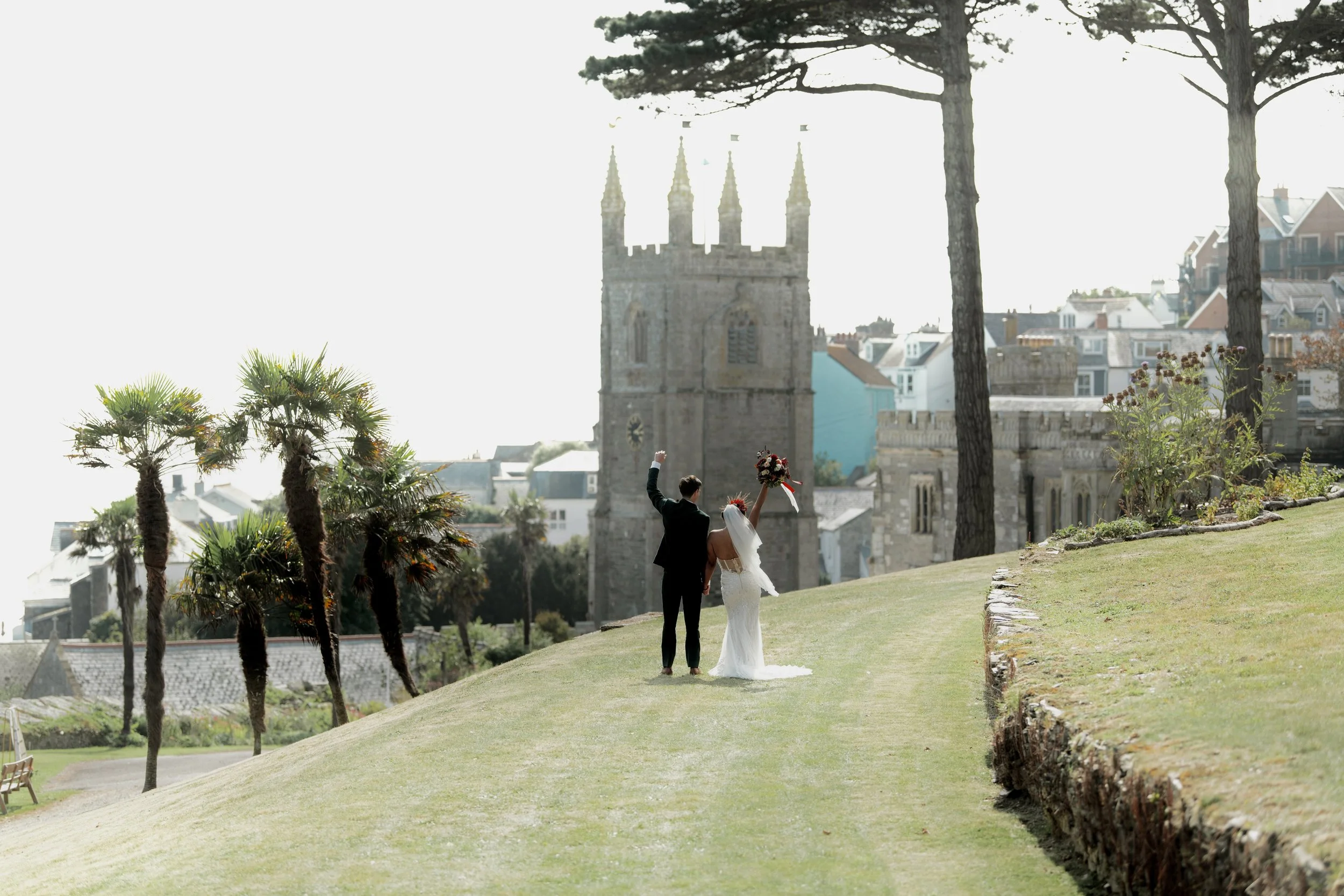
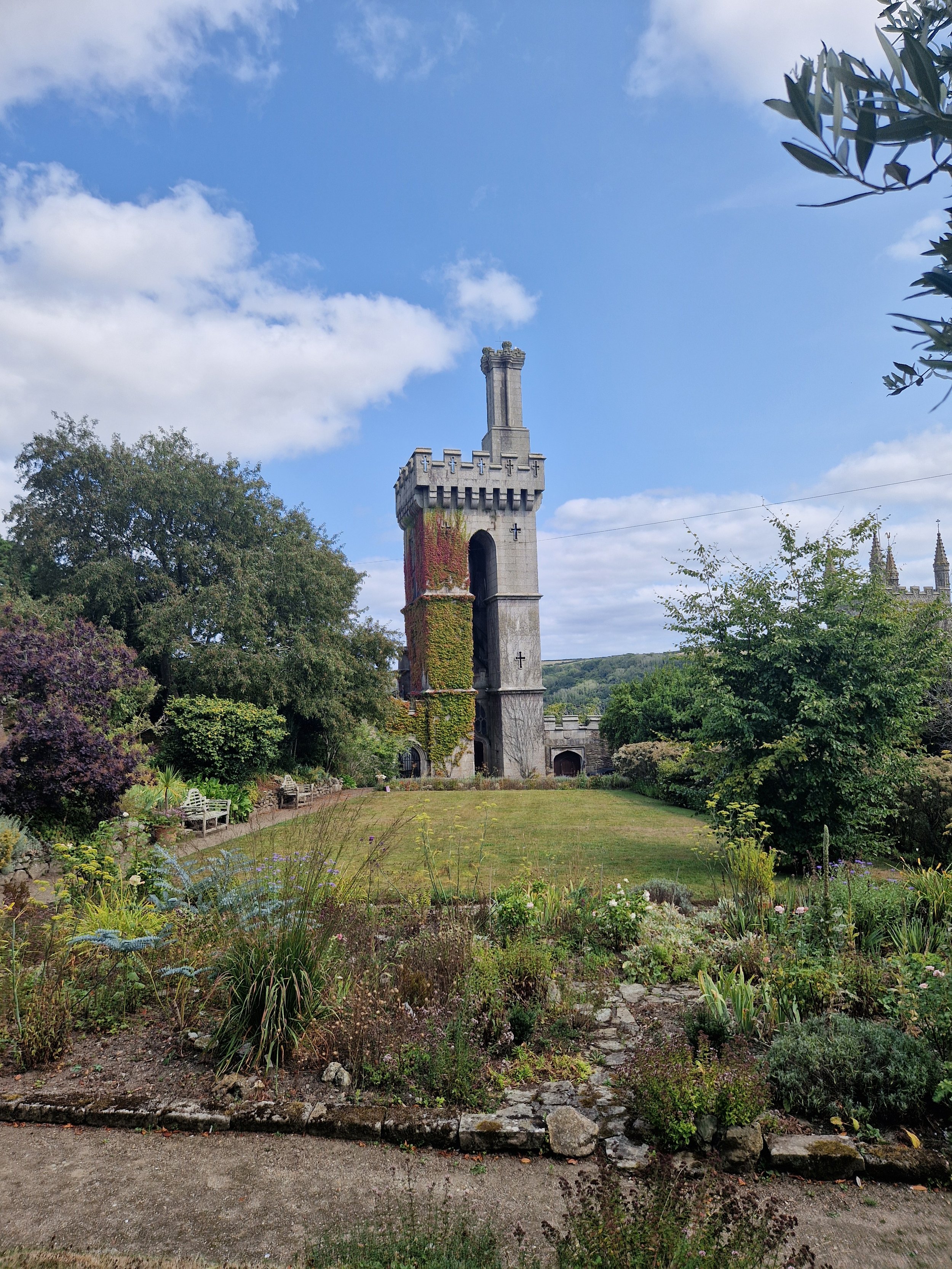
The house had at one time a 15th‑century fortified tower, built to protect the town from repeated French raids. It is famously associated with Dame Elizabeth Treffry, who led the defence against French attackers in 1457 an event that earned Place its heroic reputation and prompted further fortification. The tower fell into disrepair and was eventually dismantled, and a new grander tower erected in the 1800s.
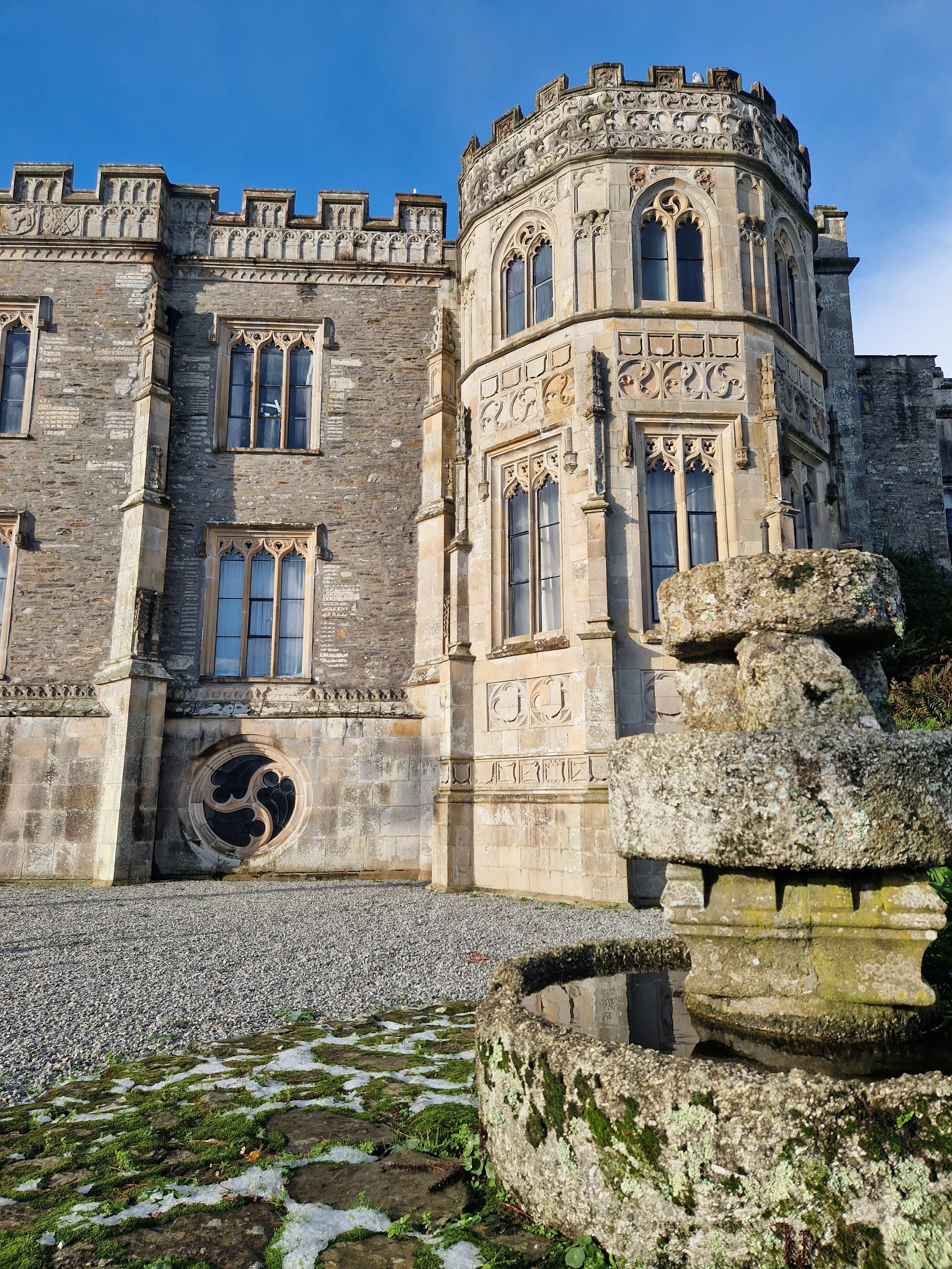
This fortified character—complete with battlements, turrets, and a granite tower remain one of Place’s defining and most visually striking features.
Grade I Listed Architectural Importance
Place is designated a Grade I listed building, marking it among the most architecturally and historically important buildings in England. Its fabric reflects a blend of:
Medieval origins (15th century tower)
Early 16th‑century rebuilding
19th‑century remodelling, especially along the east front (c. 1817–1845)
The house features:
Stone mullioned windows with tracery
Two exceptionally fine early‑16th‑century bay windows
Battlemented parapets, turrets, and a dramatic square tower
A Landmark Above the Town and Harbour
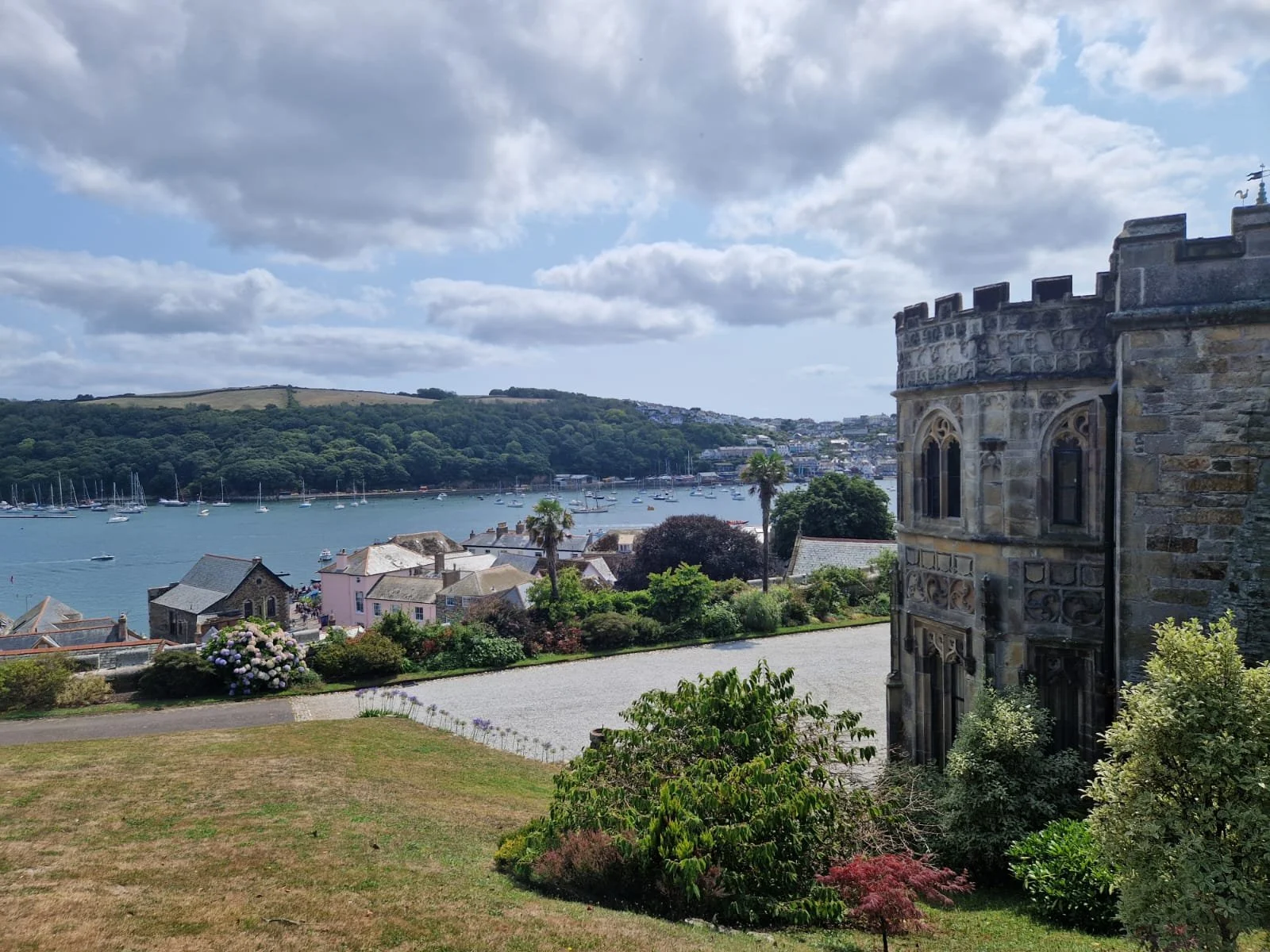
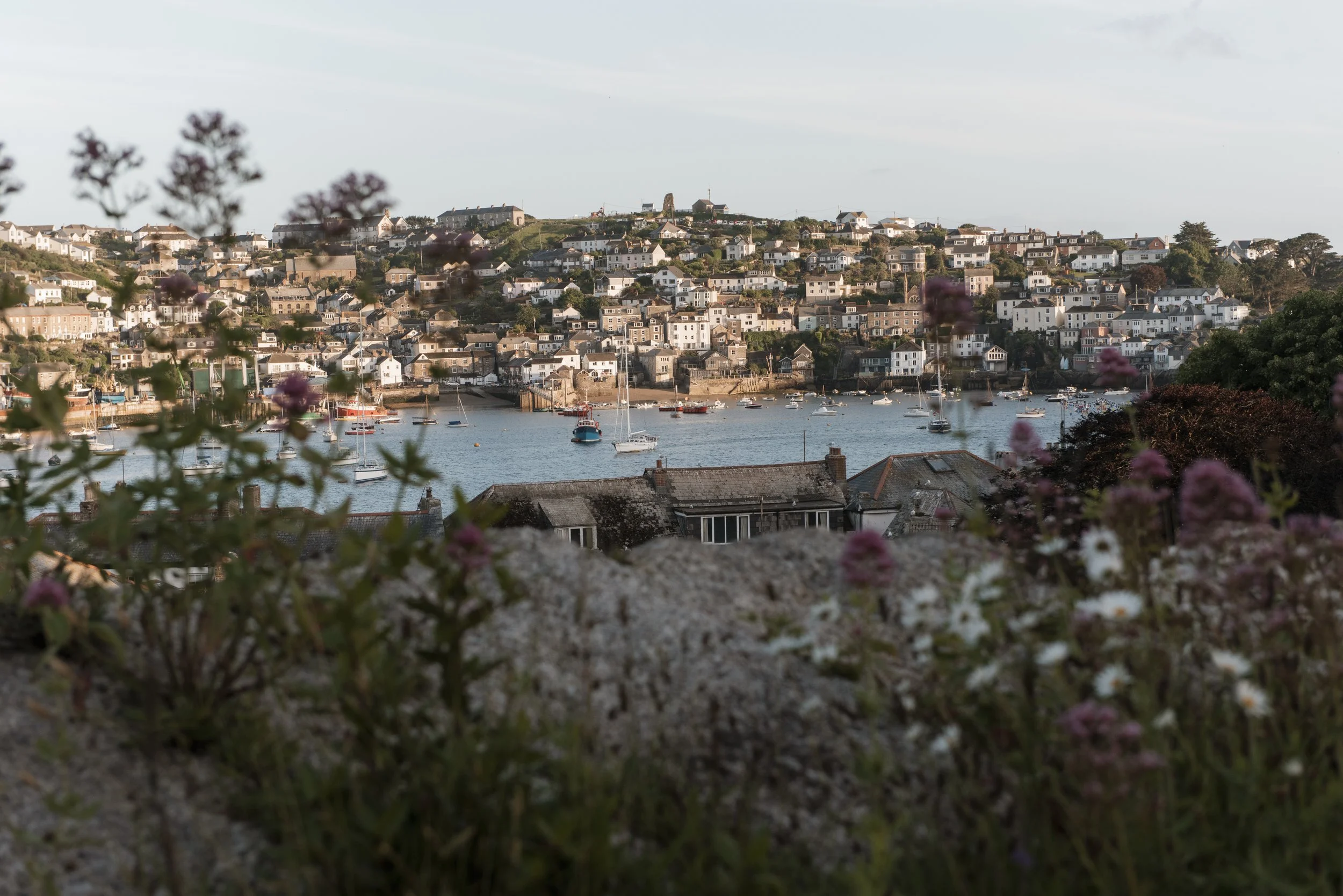
Set prominently above Fowey—often best seen from the river—the house’s castellated tower is one of the town’s most recognisable silhouettes, standing just above St Fimbarrus Church. Its dramatic elevation connects it visually and historically to the port it once helped defend.
A Rare Example of a Lived‑In Historic Estate
Unlike many large historic houses, Place remains a private family residence, not normally open to the public except on special occasions. This living continuity adds to its allure: it is both a preserved heritage site and an active home, retaining a sense of authenticity that is increasingly uncommon.
Layers of Evolution and Restoration
Over centuries, members of the Treffry family reshaped the house—most notably Joseph Thomas Austen Treffry in the early 19th century, who undertook extensive rebuilding and improvements that still define much of its current appearance.